
Matter Studio develops the technical systems behind physically ambitious art and design work — from early feasibility through design development, prototyping, and realisation.
The most consequential stage of any technically complex project is the one most often skipped: the phase where it gets determined what the work actually needs to be — structurally, computationally, materially — before a fabricator is ever involved. Most projects that stall or get compromised do so here. That is the stage this practice is built around.
Engagements span the full project lifecycle or focus on a defined phase. Scope is determined by the problem, not a fixed service menu.
-

1. PROJECT DEVELOPMENT
The stage most often skipped, and the most consequential. The decisions made here determine whether a project can be built at all.
This phase is where technical uncertainty is resolved, risks are identified, and a clear path from concept to fabrication is established.
- Feasibility studies and build strategy
- Material research and process selection
- Prototyping strategy and testing
- Workflow and production planning
-

2. DESIGN & BUILD SYSTEMS
Creating the digital models, systems and tooling required to make a project buildable.
This includes both the design of the object and the logic behind how it will be fabricated or operated.
- CAD and parametric design
- Algorithmic / computational systems
- Scan-to-fabrication workflows
- Geometry optimisation for fabrication
- Kinetic systems and control logic
- Custom software and design tools
-
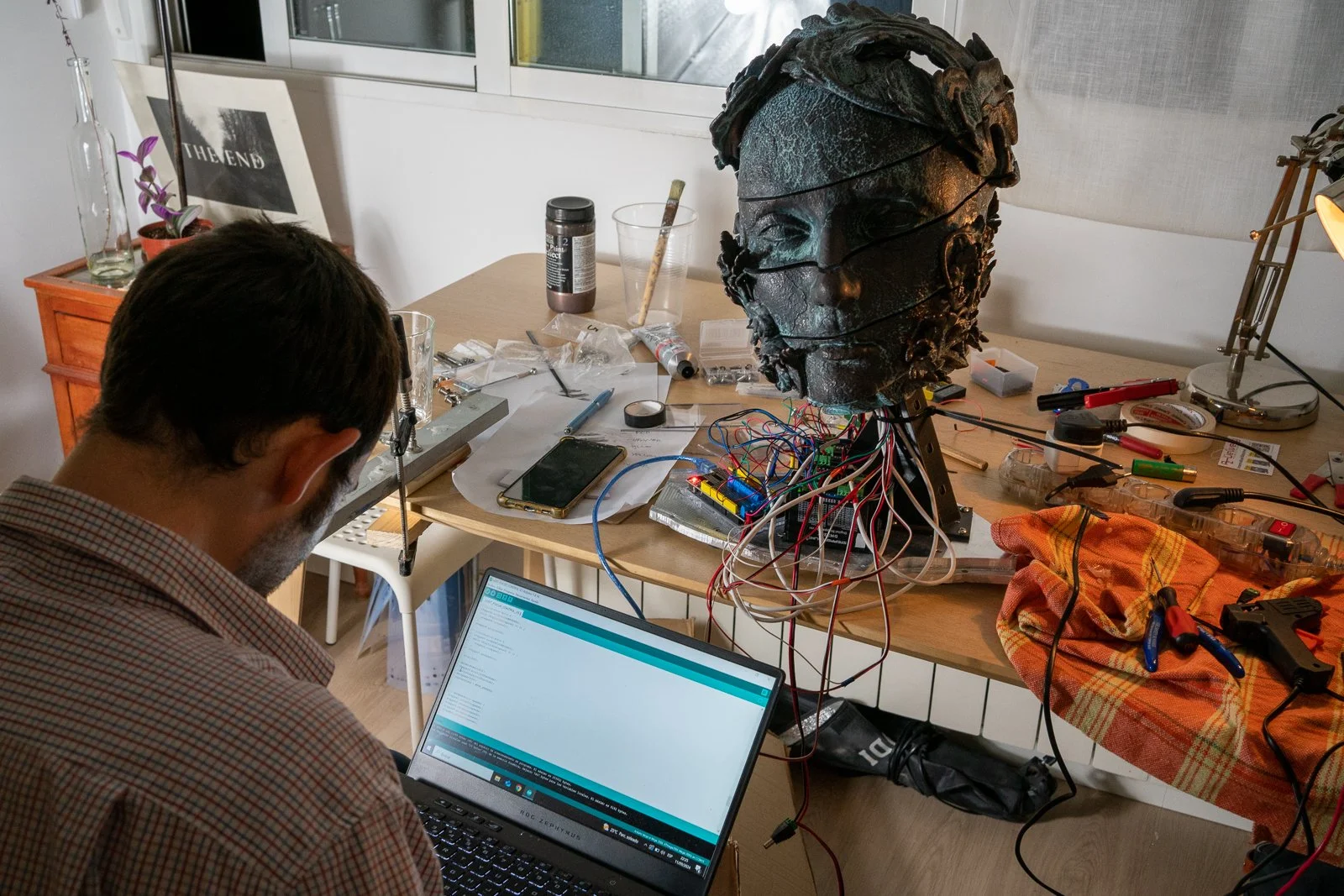
3. PROTOTYPING & REALISATION
Translating design into physical outcomes through prototyping, fabrication and production workflows.
Focused on maintaining fidelity between concept and final object, especially in technically demanding or non-standard builds.
- CNC machining and digital fabrication- Additive manufacturing workflows
- Pattern making and mould design
- Assembly strategy and fabrication logic
- Production prototyping
-
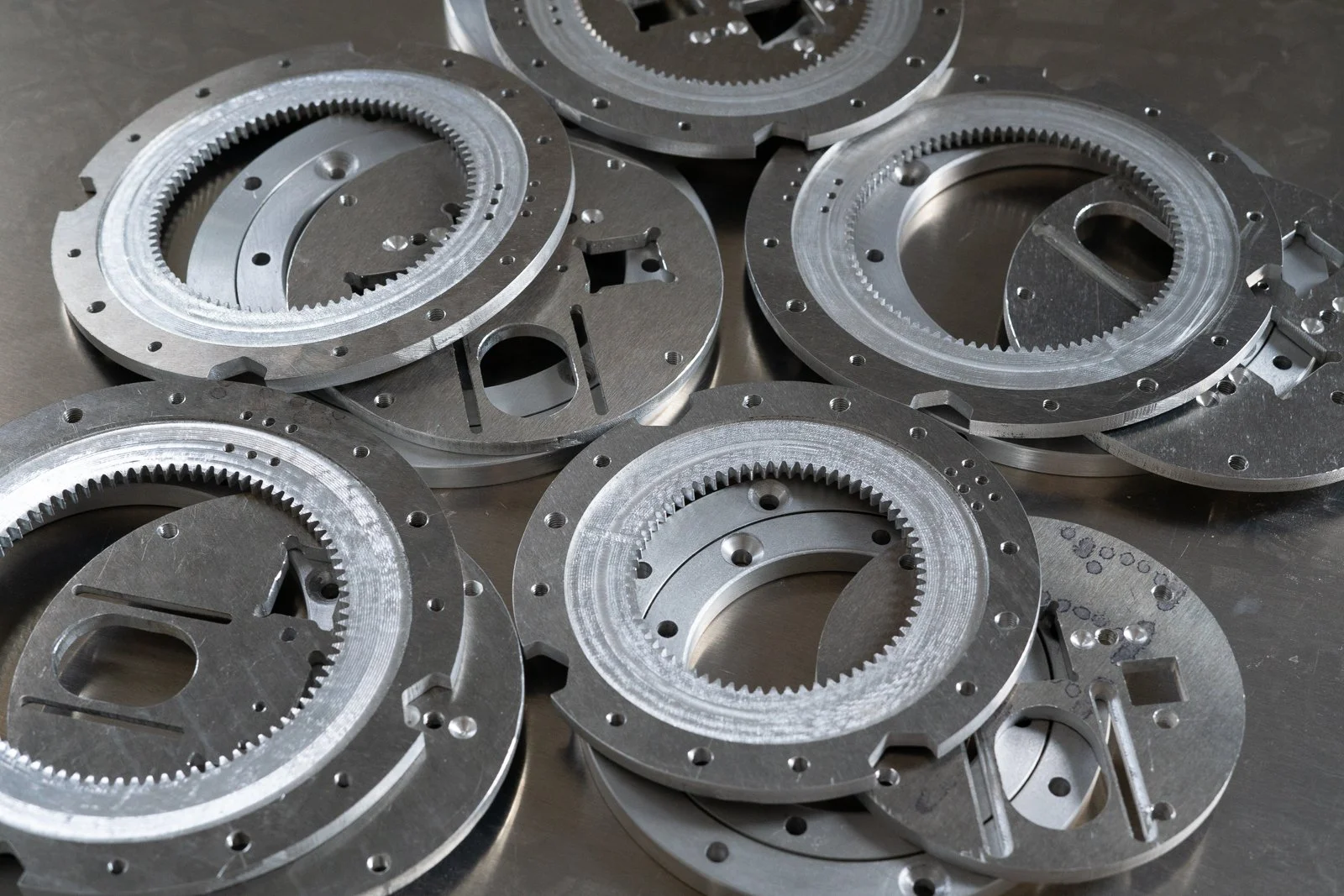
4. TECHNICAL DIRECTION
Leading the technical process during production.
Often acting as the bridge between artists, designers and manufacturers on complex or large-scale projects.
- Coordination with fabricators and suppliers- Oversight of production workflows
- Problem-solving during fabrication
- Maintaining quality and intent