DWELL
2026
DAVID LISSER
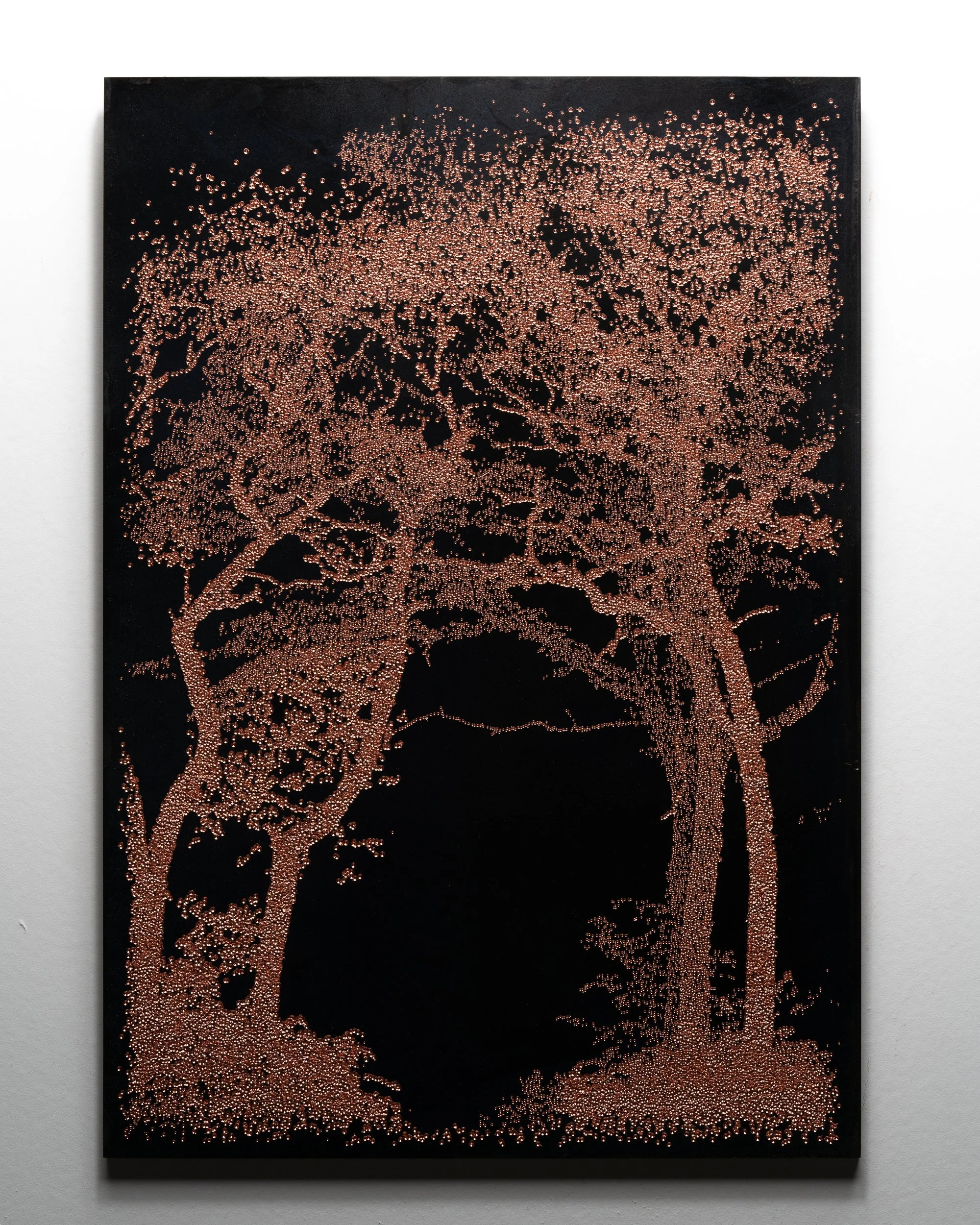
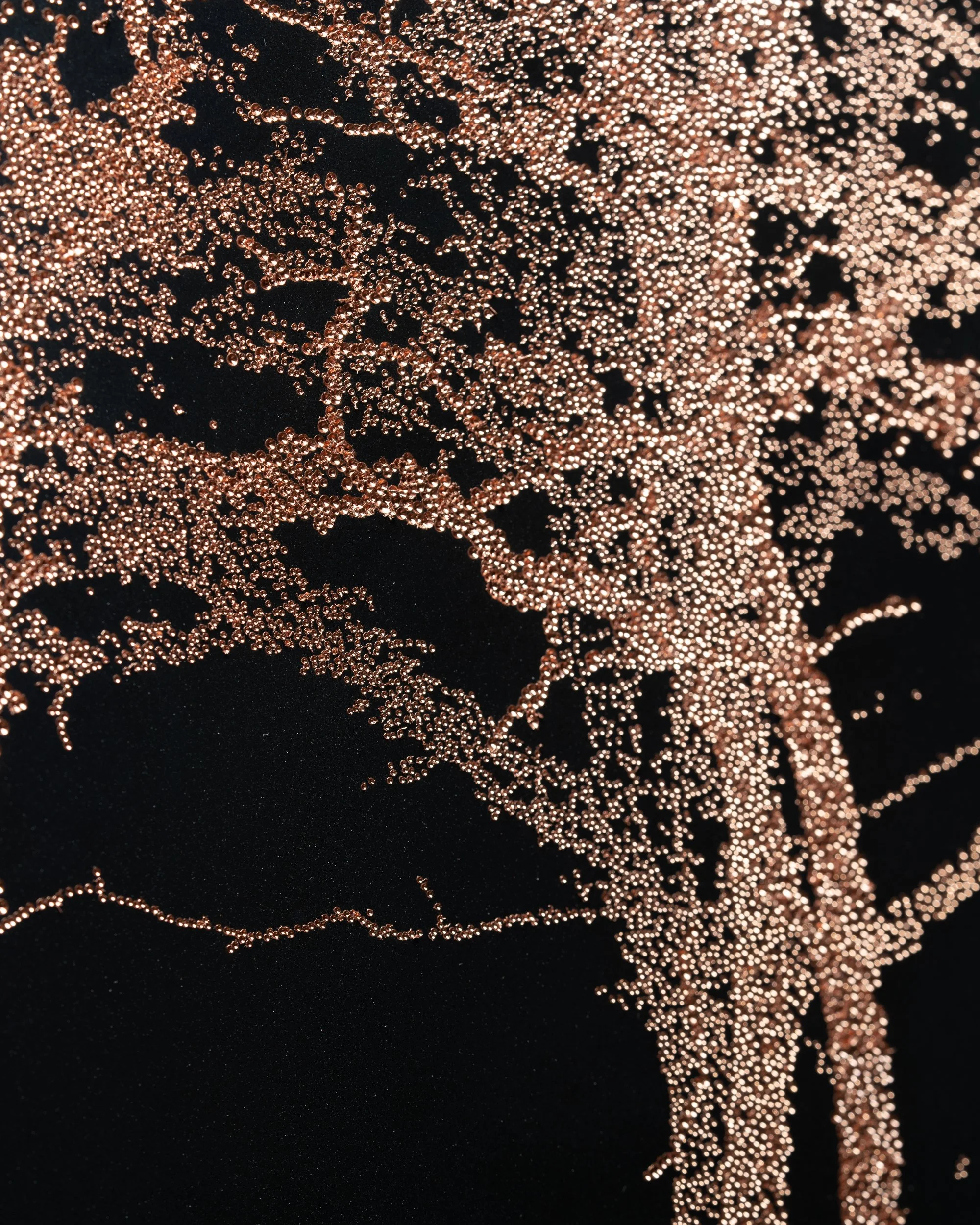
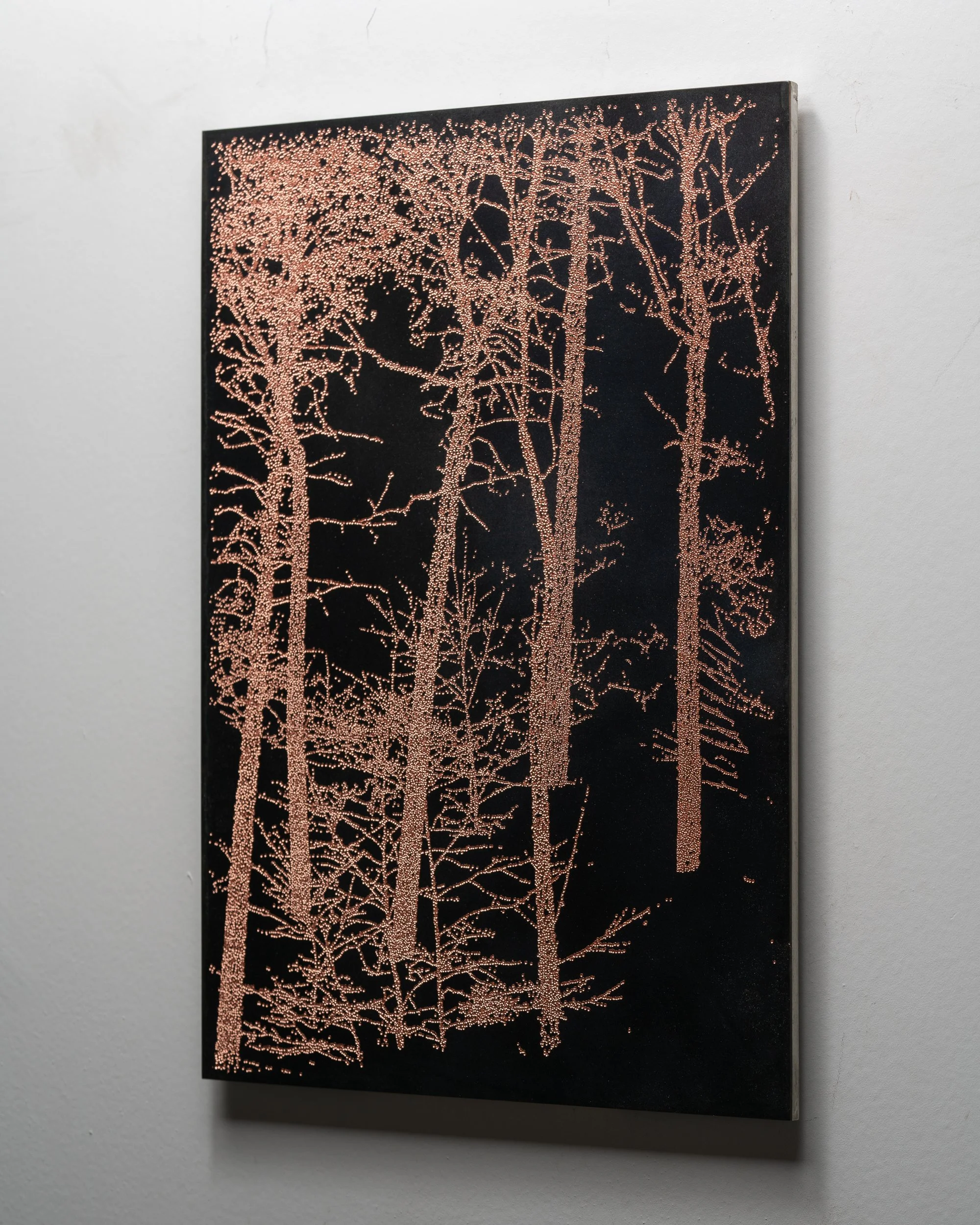
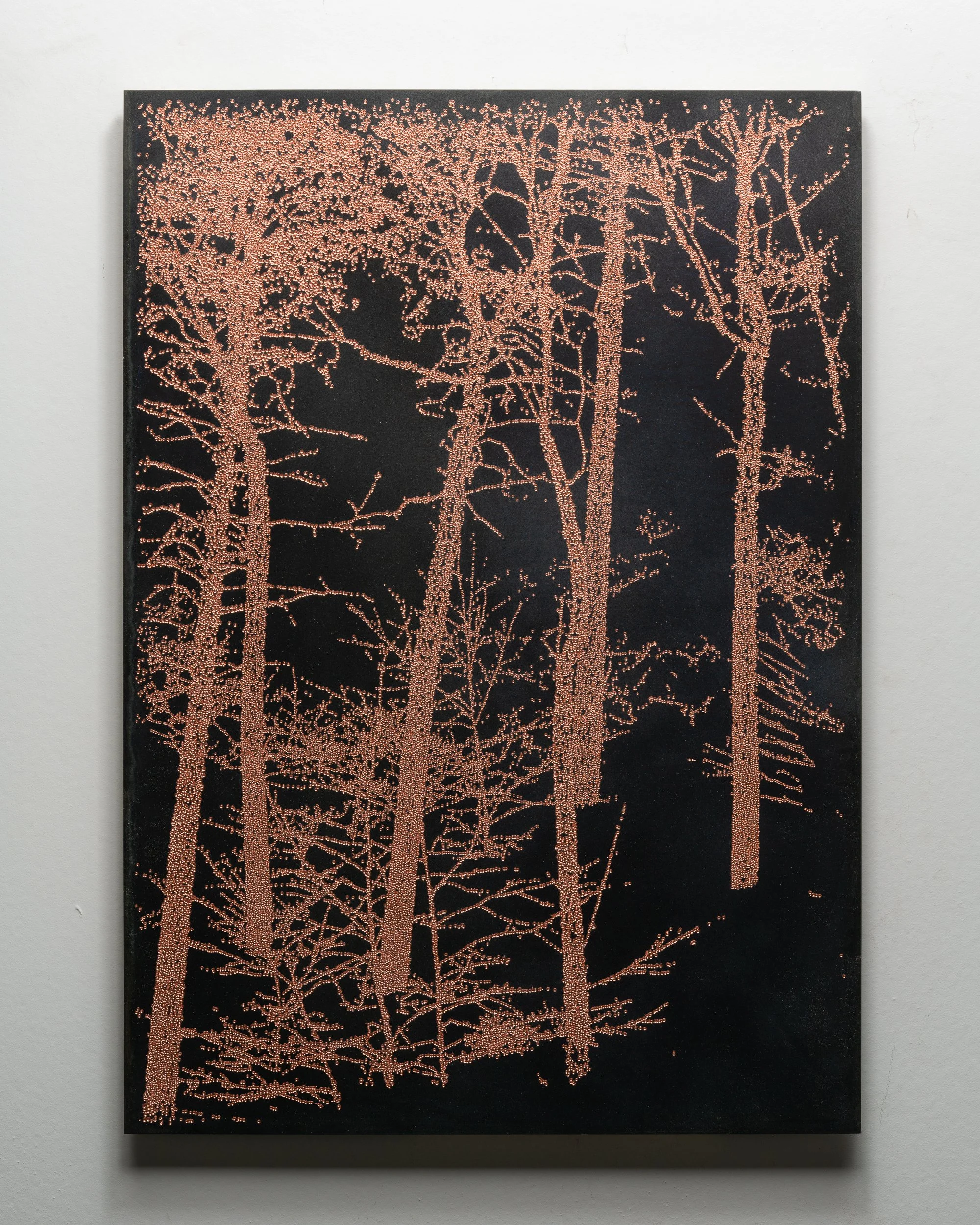
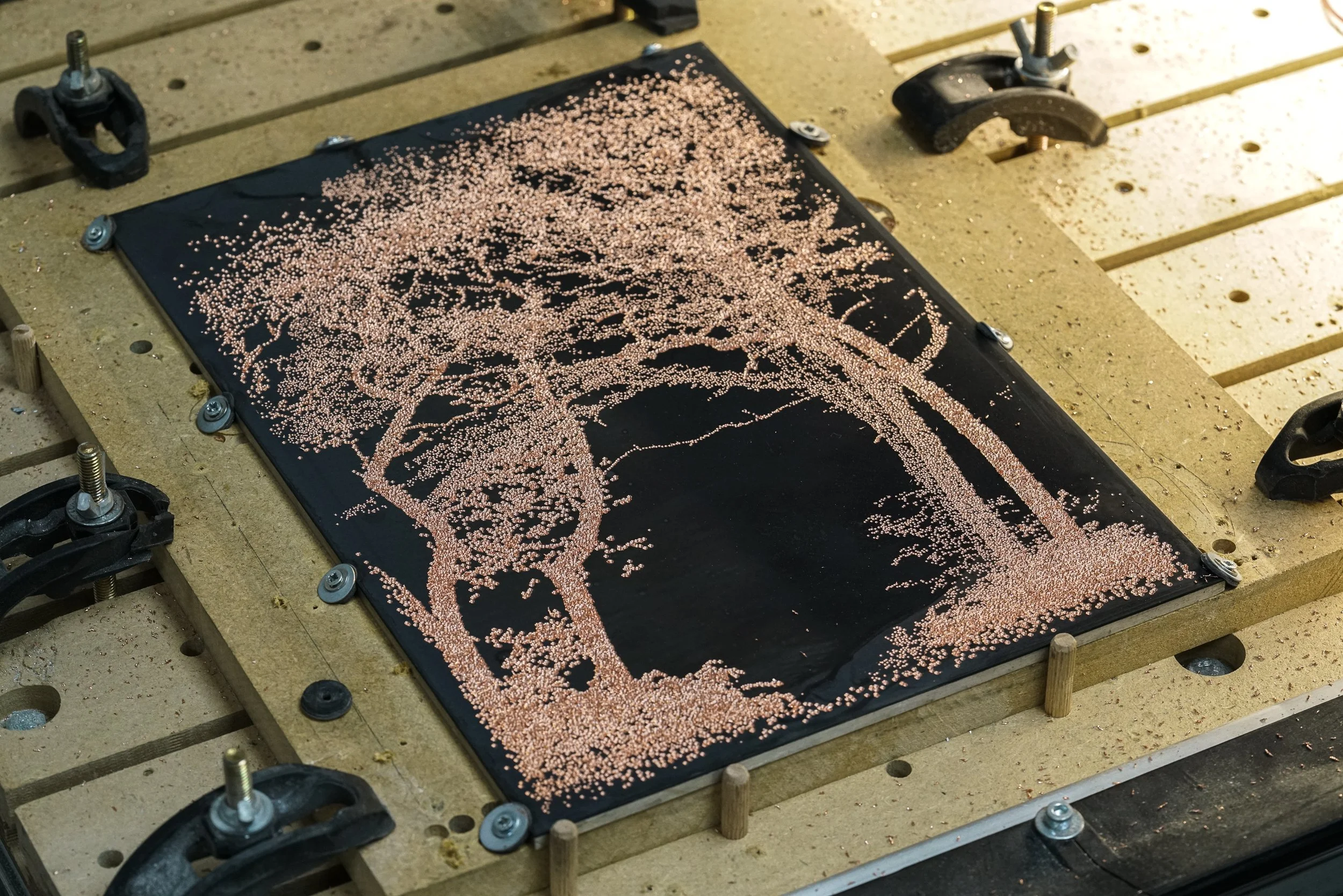
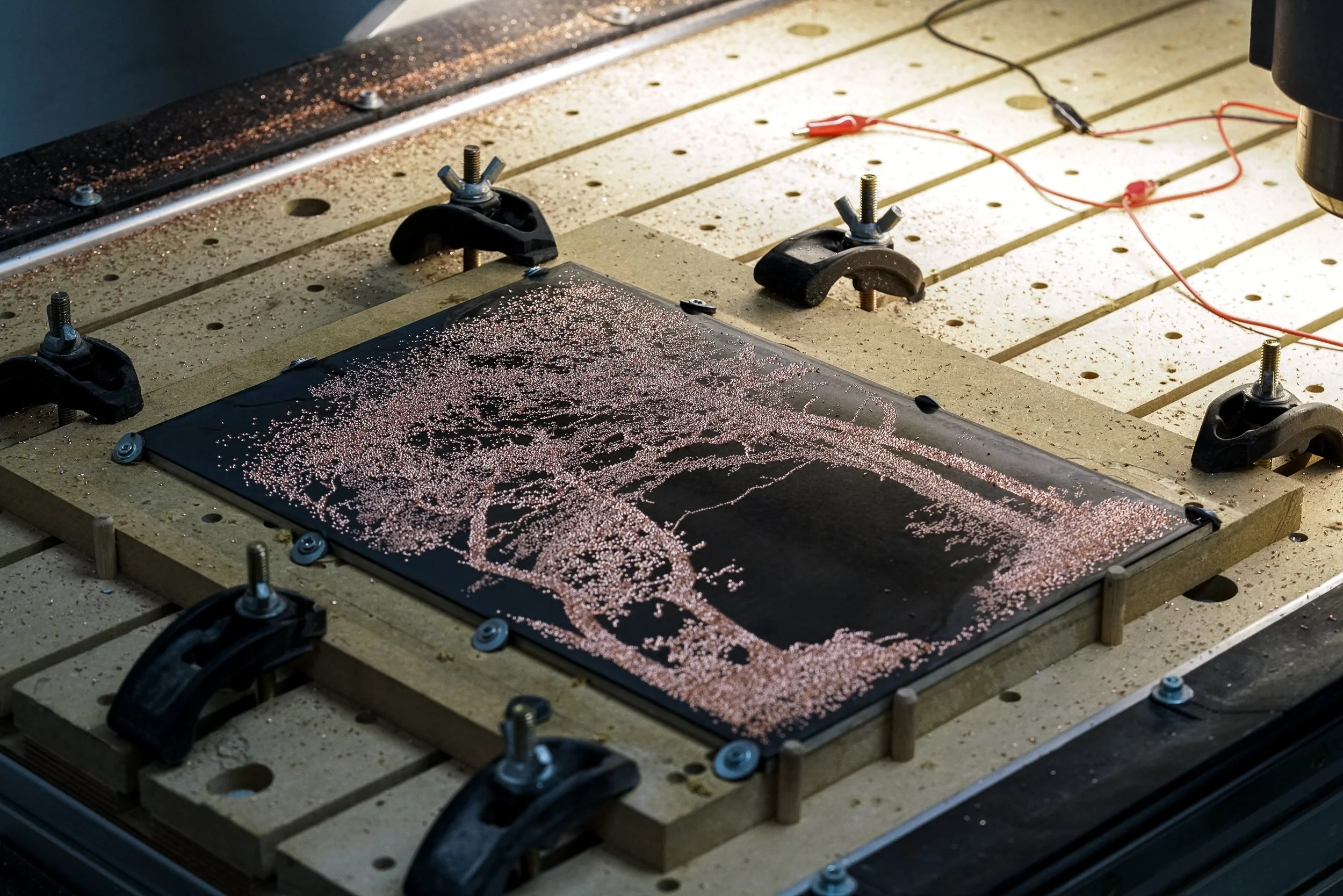
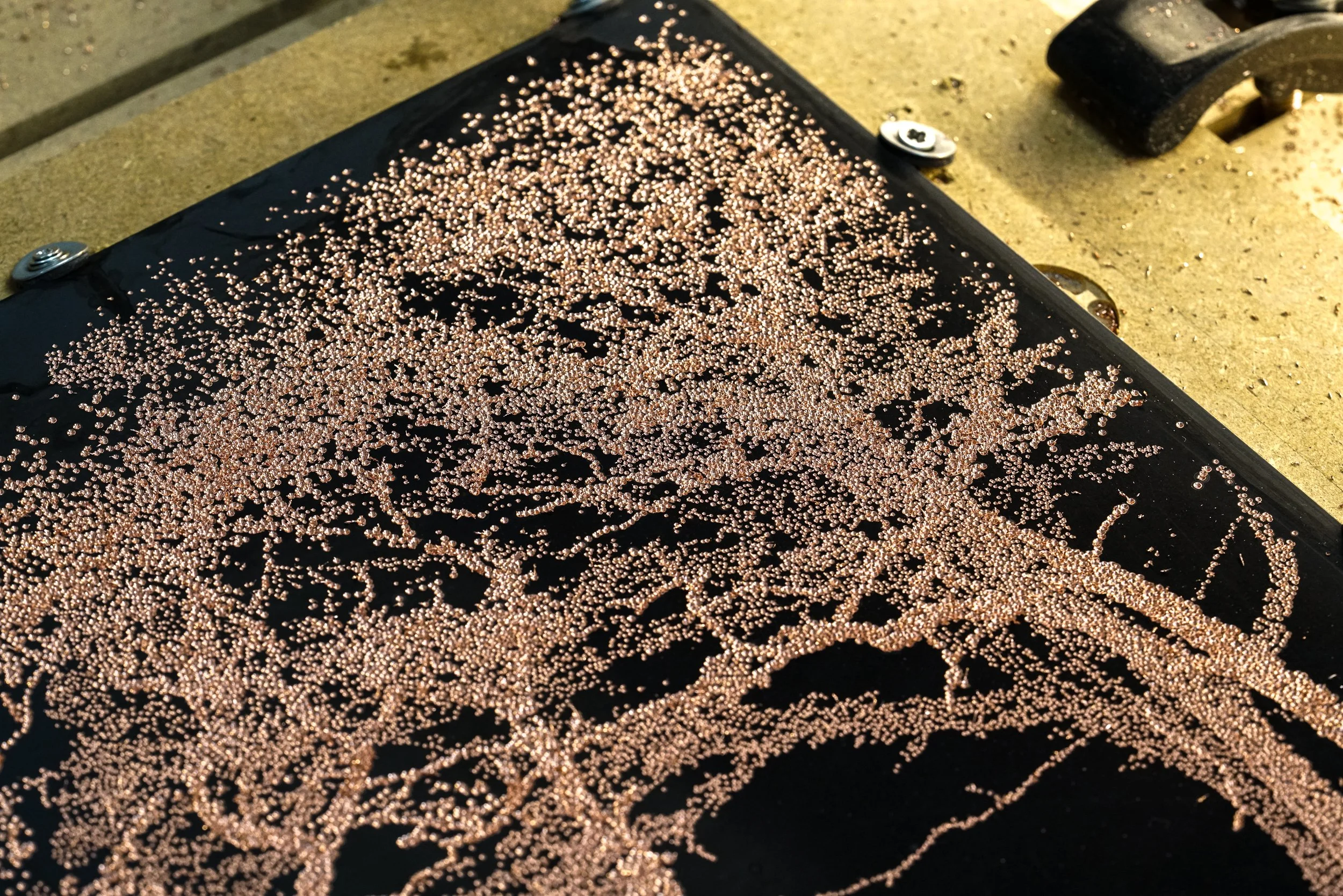
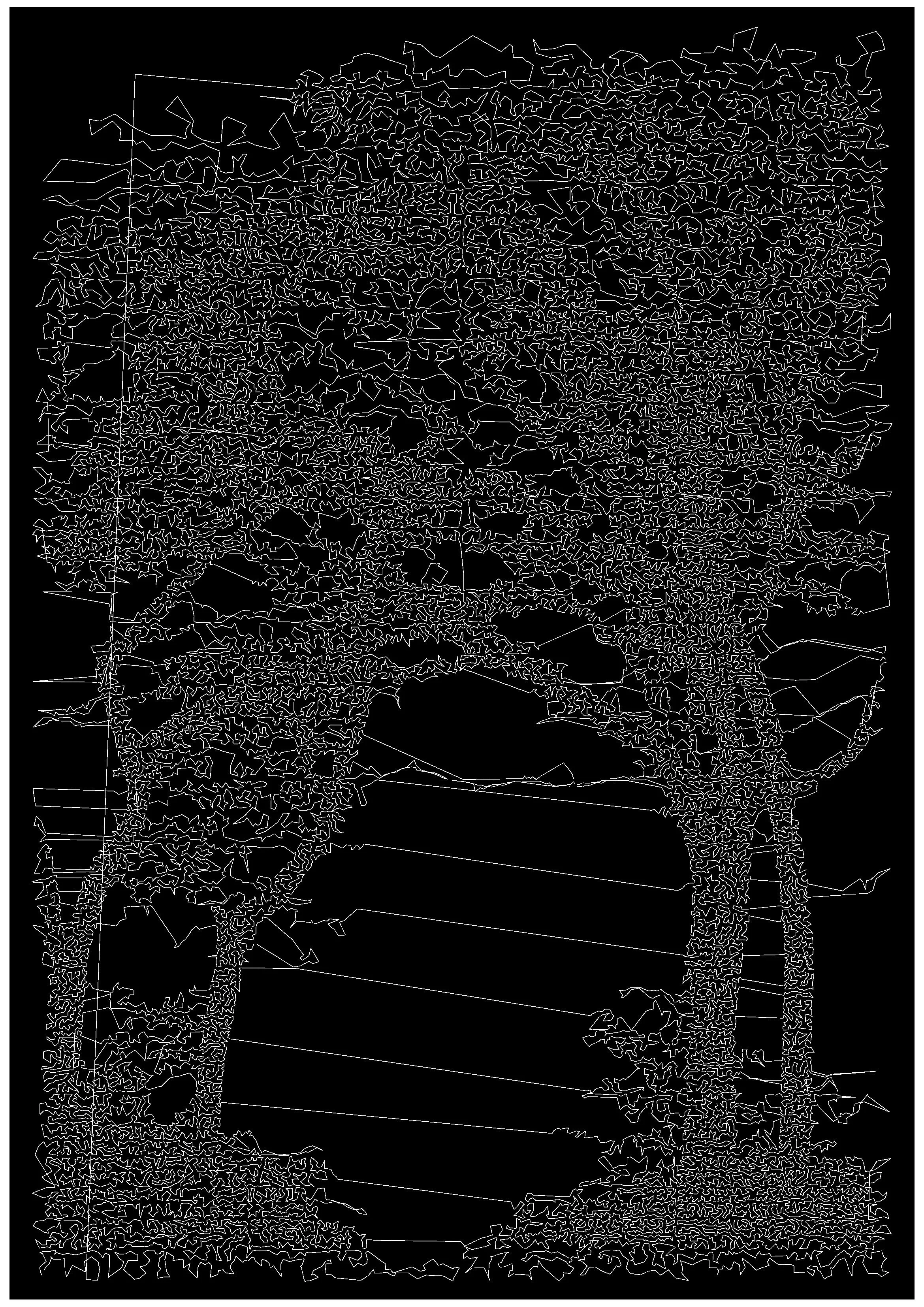
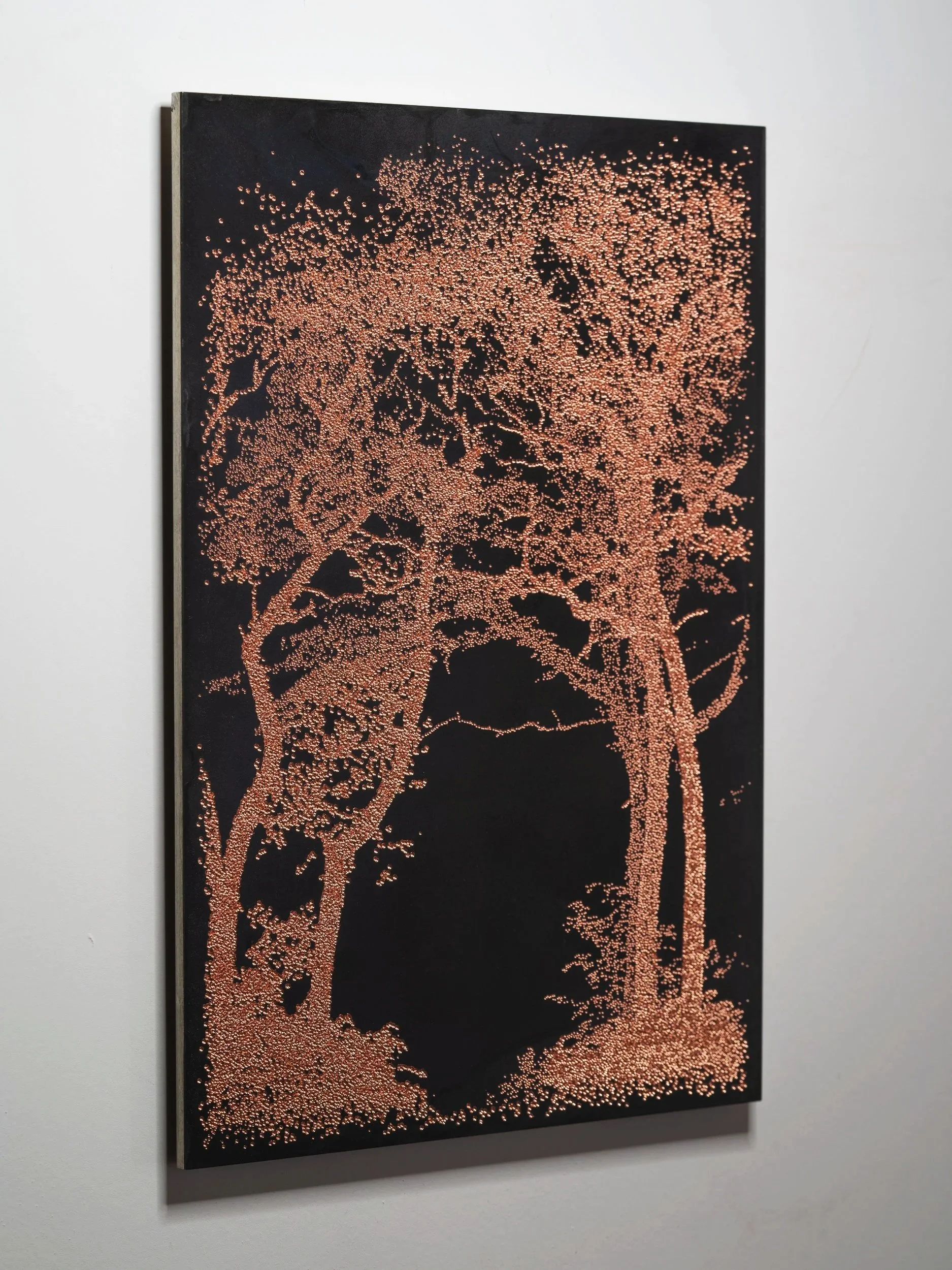
DWELL translates three-dimensional scan data into precisely milled, patinated copper panels. Each 350 × 250 mm work begins as a spatial capture by David Lisser — a 3D scan of a physical environment — which is transformed into a field of micro-milled cavities across blackened copper. The image emerges not through ink or pigment, but through depth, light, and reflection.
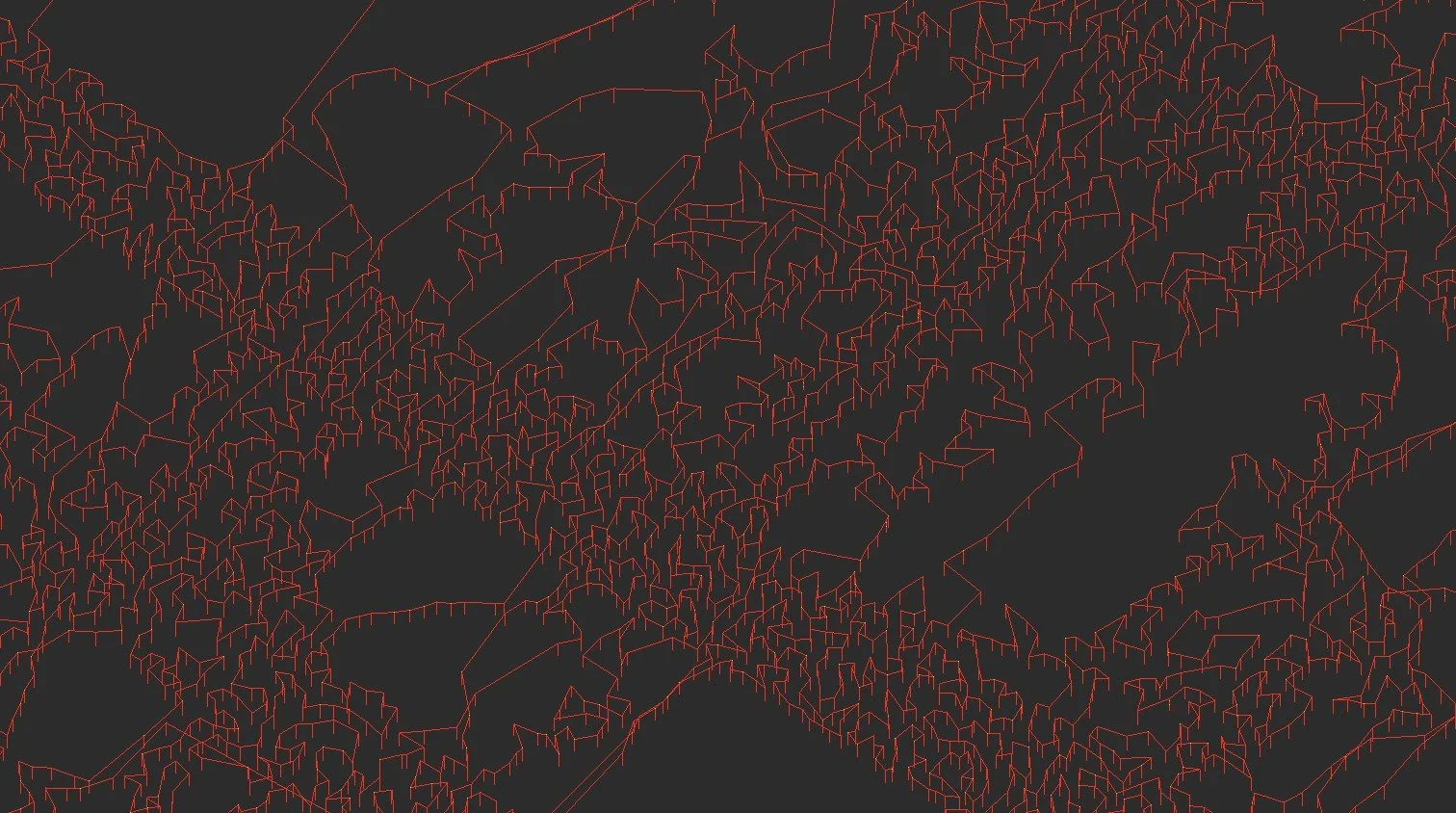
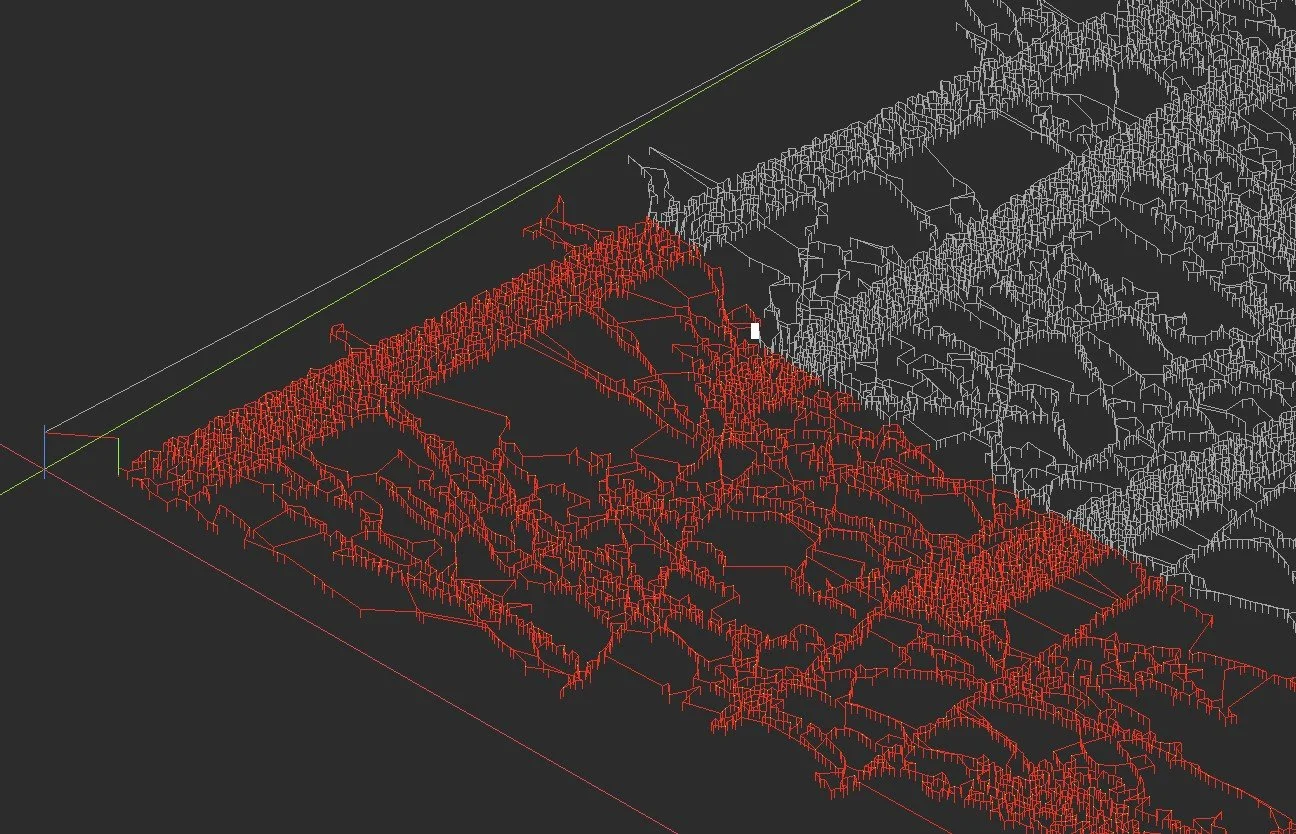
The process begins with a high-resolution point cloud. Rather than converting this data into a conventional mesh, the raw XYZ coordinates are preserved. Within a custom computational framework developed by Matter Studio, a virtual camera is positioned and the distance from each point to that camera is calculated. This depth value becomes the governing parameter, controlling the scale and plunge depth of each machined cavity.
The spatial dataset is then projected through a spherical mapping system , similar to a lens, onto a flat fabrication plane. This preserves perspective relationships while collapsing three-dimensional information into machinable toolpath data.
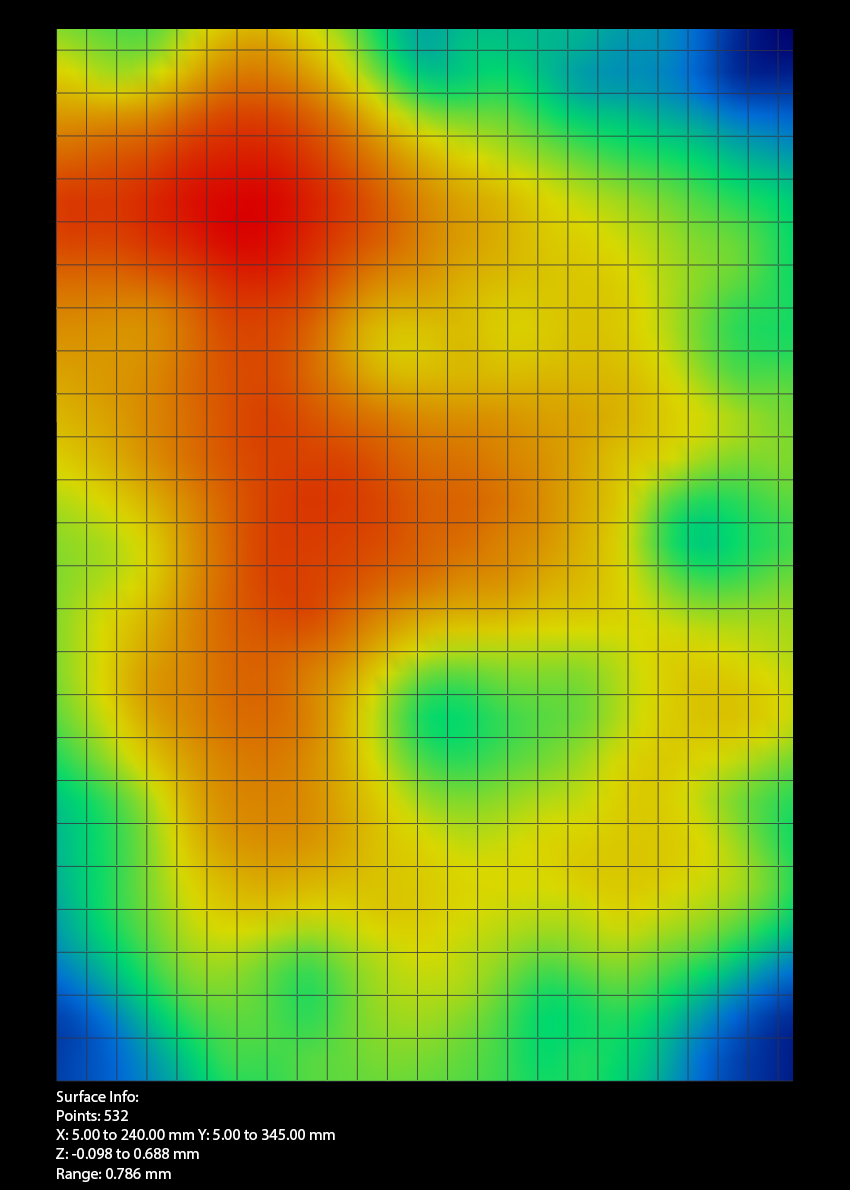
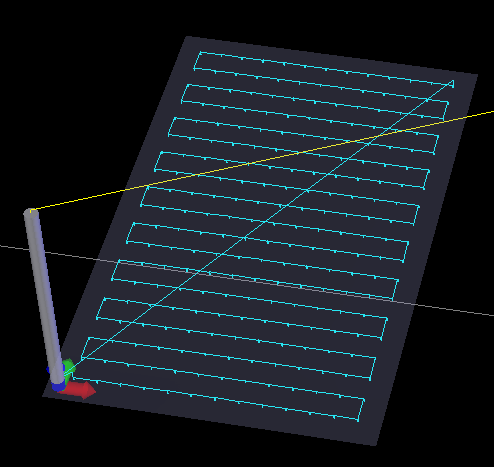
Because the image operates within an extremely shallow depth range (0.1–0.8 mm), surface accuracy is critical. Prior to machining, a custom probing routine maps the physical copper plate, recording hundreds of Z-height measurements to generate a topographic model of the material itself. During milling, toolpaths are dynamically compensated to account for surface variation, ensuring consistent visual depth across the entire panel.
The final dataset contains thousands of individual machining operations. Custom optimisation algorithms reorganise these operations into an efficient cutting sequence, reducing unnecessary travel and preserving precision.
The result is a physically measured translation of space into copper - where three-dimensional data becomes surface, light becomes contrast, and perception is reconstructed through material.